 DOMUS GLOBAL
Warsaw · District guide
Praga-Południe in Warsaw: neighbourhoods, transport and apartments
Praga-Południe is not a single housing market. Saska Kępa, Kamionek, Grochów, Gocław, Gocławek and Olszynka Grochowska differ in their built environment, access to transport, green space and the way everyday life works. Below we compare the main parts of the district from the perspective of someone choosing a home.

Praga-Południe in 60 seconds
Saska Kępa · Kamionek · Grochów · Gocław · Gocławek · Olszynka Grochowska
Statistics Poland data, 2024
Population density · Statistics Poland data, 2024
Stadion Narodowy; planned route via Rondo Wiatraczna to Gocław
Sources: Warszawa w liczbach 2024 · Metro Warszawskie
Main parts of Praga-Południe
Praga-Południe changes noticeably from one part of the district to another. Saska Kępa, Kamionek, Grochów, Gocław, Gocławek and Olszynka Grochowska differ in housing, transport, access to green space and the character of the immediate surroundings.
Map of Praga-Południe showing the main parts of the district
Loading map…
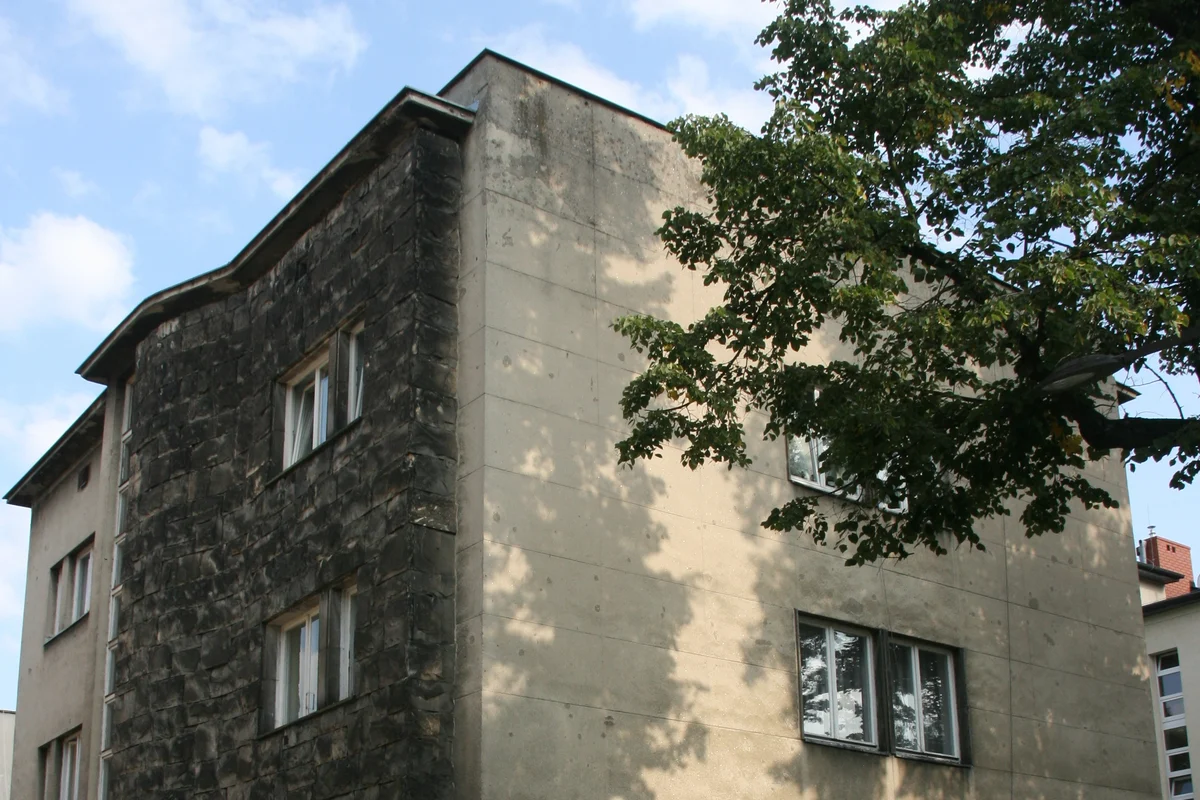
Saska Kępa
Modernism, low- and mid-rise development, the Vistula and Skaryszewski Park.
Saska Kępa has the district’s most recognisable pre-war and modernist urban fabric. Villas and small-scale apartment buildings stand alongside post-war blocks and occasional newer developments. When buying, check the technical condition of the building, whether there is a lift, parking arrangements and traffic on the specific street — conditions around Francuska, Saska and Międzynarodowa can differ significantly.
Check: building condition · parking · street noise · walk to a tram or bus
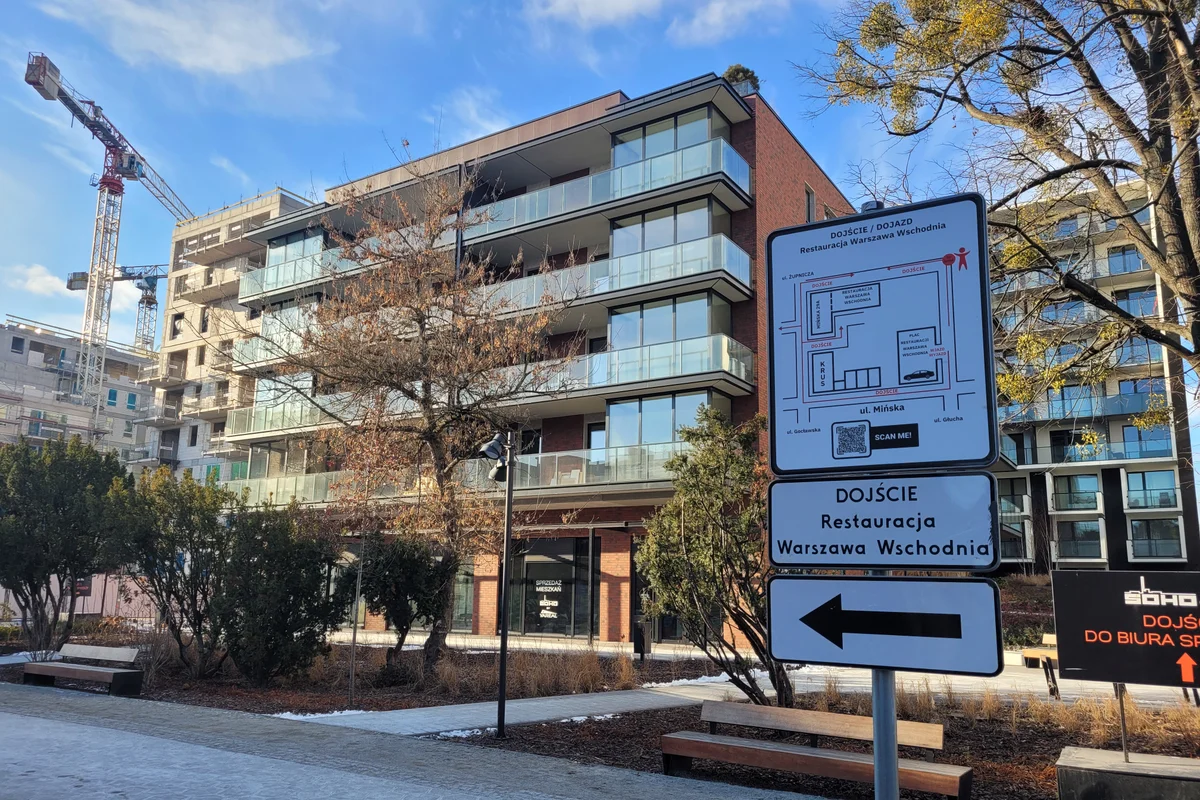
Kamionek
Tenement buildings, former industrial fabric and intensive new residential development.
Kamionek combines older tenement buildings and post-industrial architecture with new residential developments, particularly around Mińska and Żupnicza streets. Proximity to Warszawa Wschodnia station, Stadion Narodowy and the M2 station improves access from part of the area, but walking conditions and public transport access can change considerably from one street to the next.
Check: neighbouring development · construction stage of nearby projects · noise · walk to rail and M2
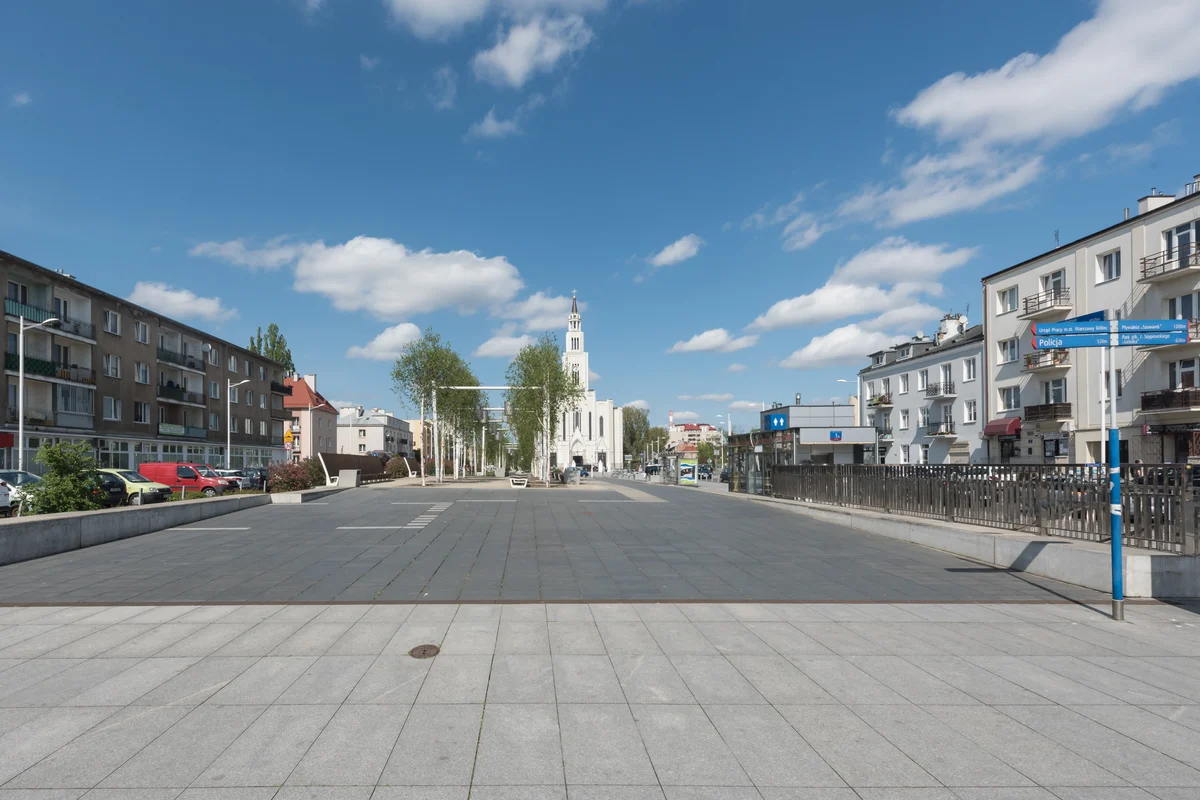
Grochów
The most varied urban fabric: tenement buildings, blocks, lower-rise housing and new infill.
Grochów covers a large and varied part of the district. Older tenement buildings and low-rise brick development dominate some streets, while other areas contain post-war estates or new projects. Grochowska Street and al. Waszyngtona are important transport corridors, and the Rondo Wiatraczna area is one of the district’s main interchange points. The name “Grochów” alone therefore says very little about the standard of a specific address.
Check: the exact street · tram access · building condition · everyday services within walking distance
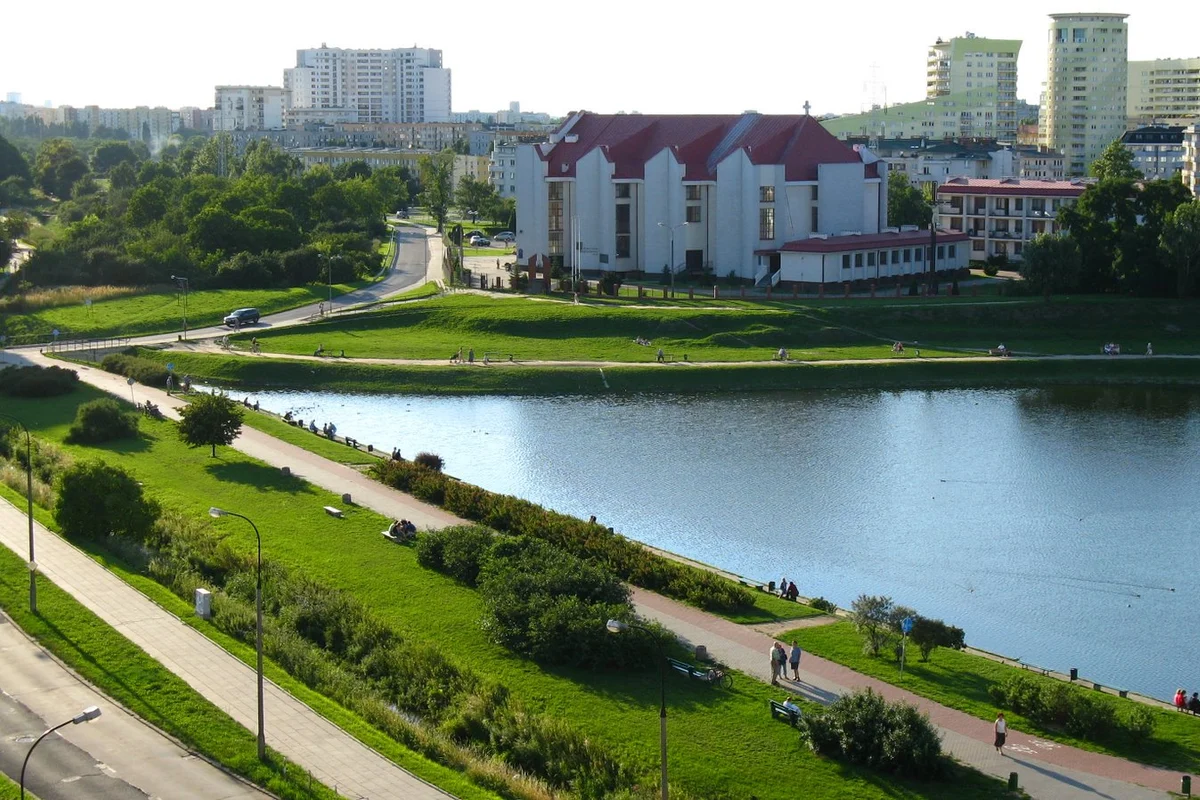
Gocław
Large housing estates, newer development and substantial green space around Balaton and the canals.
Gocław is a large residential area combining estates from the second half of the 20th century with later developments and new apartment buildings. For many addresses, buses and connections to tram corridors remain the basis of public transport; there is currently no metro or railway station within Gocław. The planned M3 line is intended to terminate at Gocław, so future infrastructure should be considered separately from today’s journey times.
Check: today’s journey time · parking · distance to everyday services · planned transport projects
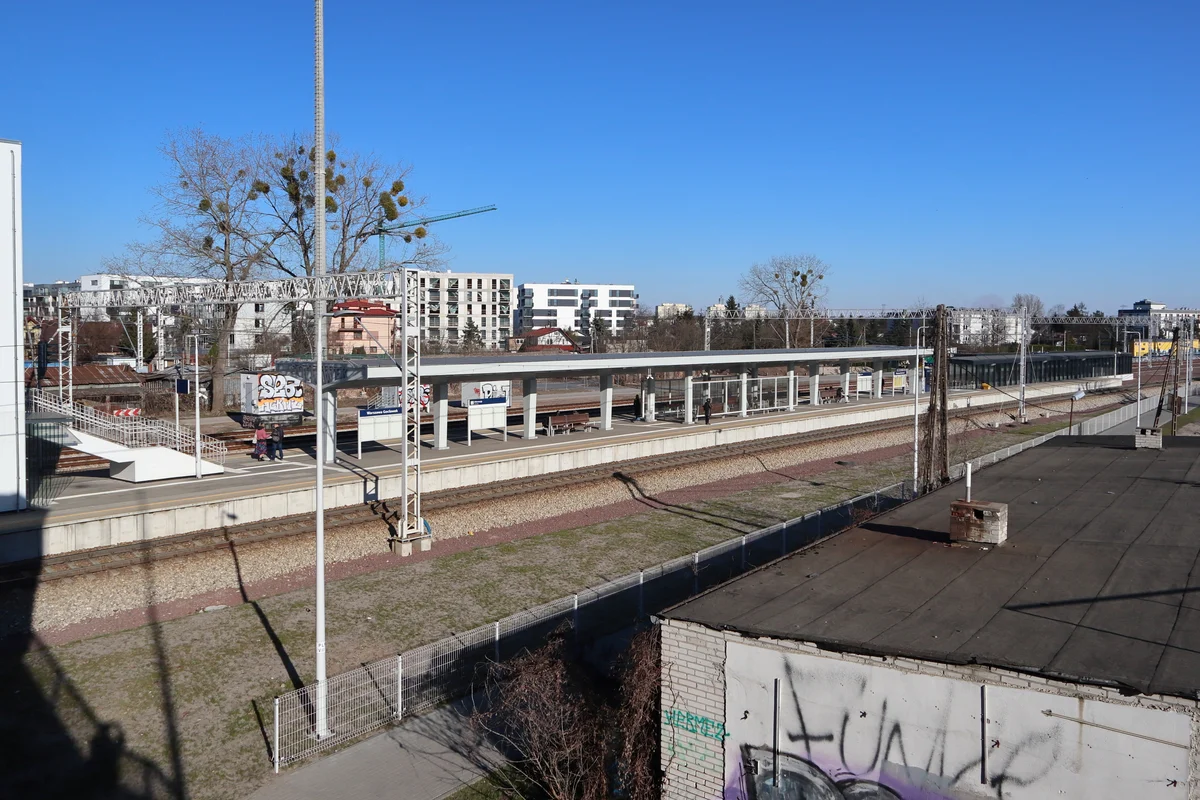
Gocławek
Mixed development with direct access to rail in the eastern part of the district.
Gocławek combines detached and semi-detached houses with apartment buildings of different scales. Warszawa Gocławek railway stop is an important point and provides an alternative to road-based travel. In property listings, however, the name Gocławek is sometimes used for a wider surrounding area, so the exact address should always be checked.
Check: walk to the railway · railway and road noise · housing type · exact location
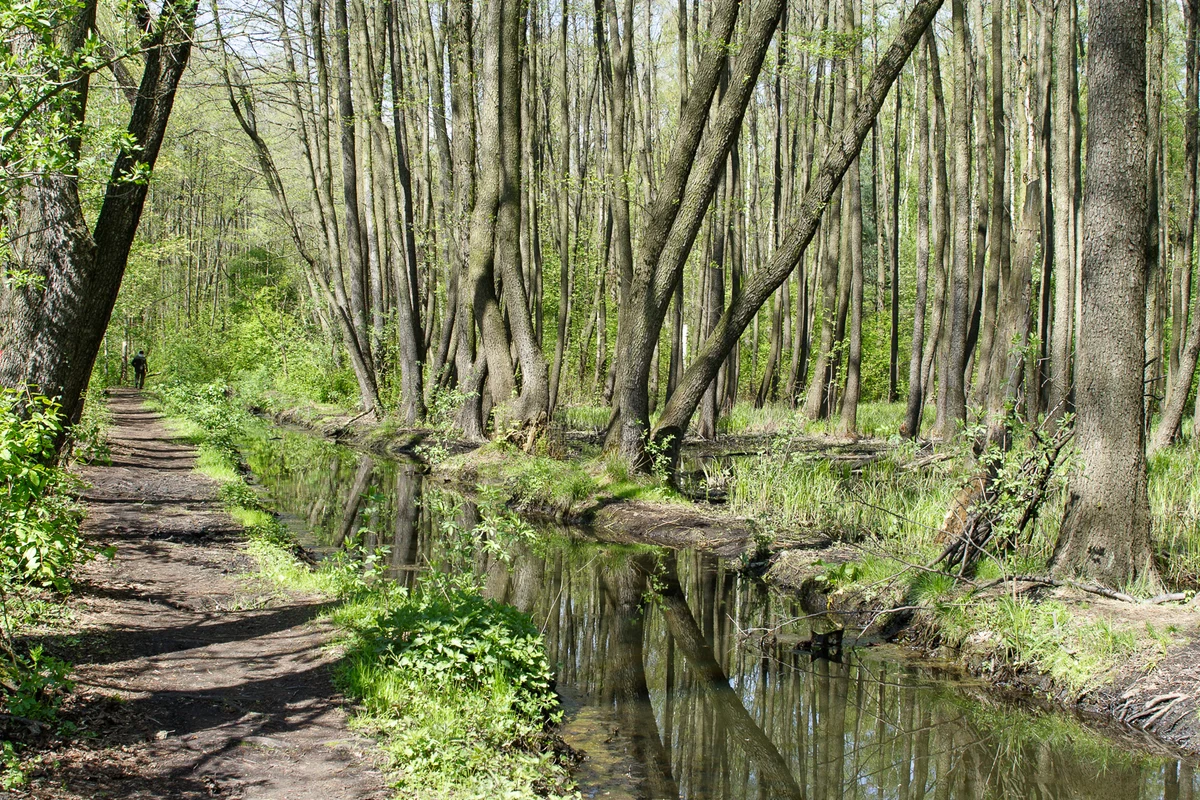
Olszynka Grochowska
The least urban character, dispersed housing and direct proximity to the nature reserve.
Olszynka Grochowska has a smaller and more dispersed housing supply than Saska Kępa, Grochów or Gocław. It includes houses, semi-detached housing and small apartment buildings, while the Olszynka Grochowska nature reserve is an important part of the local landscape. When choosing a property, check the actual walk to Warszawa Olszynka Grochowska station and everyday access to services.
Check: walk to the railway · access to services · street character · proximity to green space
Comparing the main parts of Praga-Południe
| Area | Typical built environment | Transport to check | Key question when buying |
|---|---|---|---|
| Saska Kępa | villas, tenement buildings, modernism, post-war housing | trams and buses; walk to the Waszyngtona corridor | does the specific building and street match the standard you expect? |
| Kamionek | tenement buildings, post-industrial development, new estates | M2 at Stadion Narodowy, rail, trams | is the surrounding development already close to its final form? |
| Grochów | tenement buildings, blocks, low-rise housing, new infill | trams on Grochowska and al. Waszyngtona, buses, rail in part of the area | what does the full door-to-door journey look like from this exact address? |
| Gocław | large housing estates and newer developments | buses, access to trams; planned M3 | is the current journey acceptable without assuming the future metro will be available? |
| Gocławek | houses and apartment buildings | Warszawa Gocławek, buses | is the property genuinely close to rail and everyday services? |
| Olszynka Grochowska | dispersed, lower-rise housing | Warszawa Olszynka Grochowska, buses | does everyday logistics work despite the lower concentration of services? |
Transport: close to central Warsaw, but without a single commuting model
Praga-Południe is close to Śródmieście, but different parts of the district rely on different transport corridors. When comparing properties, the full door-to-door journey matters more than the distance to the city centre on a map.
M2 at the north-western edge
M2 Stadion Narodowy station sits at the north-western edge of Praga-Południe and can be relevant for part of Kamionek. For Saska Kępa, most of Grochów, Gocław, Gocławek and Olszynka Grochowska, reaching the metro currently requires an additional walk, tram or bus journey.
Trams and the main transport corridors
Al. Waszyngtona and Grochowska Street are the main tram corridors for a large part of the district. In Saska Kępa and Gocław, many everyday journeys rely on buses and connections to bridges and tram interchanges.
Rail in the east and the planned M3
Warszawa Olszynka Grochowska and Warszawa Gocławek railway stops provide an alternative for the eastern part of the district. The planned M3 is intended to run from Stadion Narodowy via Dworzec Wschodni, Mińska, Rondo Wiatraczna, Ostrobramska and Jana Nowaka-Jeziorańskiego to Gocław. Future metro infrastructure is treated here as planned infrastructure, not as a benefit available to an address today.
Green space changes the character of the district — but it is not evenly distributed
Skaryszewski Park and Jeziorko Kamionkowskie
The major park in the western part of the district, particularly relevant to Saska Kępa and Kamionek.
Balaton and Gocław’s green spaces
The park around Balaton, local water features and green corridors give many parts of Gocław a stronger recreational character.
Olszynka Grochowska nature reserve
In the eastern part of the district, the urban landscape gives way to the nature reserve and much looser development.
A green-space advantage in one part of the district should not be applied to Praga-Południe as a whole: the actual distance to major green areas must be checked for each address.
Housing market: one district, six different types of supply
There is no single “typical” property in Praga-Południe. Saska Kępa contains a large share of older and modernist housing with relatively limited supply. Kamionek has a high share of new projects and development on former industrial sites. Grochów offers the broadest mix of building types. Gocław has a large supply of apartments in estates from the second half of the 20th century as well as newer developments. Gocławek and Olszynka Grochowska contain more low-rise and dispersed housing.
What to compare in property listings
- year and construction technology
- condition of common areas and installations
- lift and accessibility for people with reduced mobility
- parking: street, estate or garage
- noise from main roads and railways
- actual walking time to a stop or station
- status of nearby developments and construction sites
- distance to services used every day
Compare Praga-Południe with other Warsaw districts
If Praga-Południe does not give you a clear answer, compare it with districts that offer a different combination of transport, housing and everyday urban environment.
Praga-Północ
Worth comparing if you want more direct access to M2, older urban housing and quick connections to central Warsaw.
Compare Praga-PółnocMokotów
Worth comparing if you want a similarly varied housing market but a wider choice of locations with direct metro access.
Compare MokotówWawer
Worth comparing if lower-density housing, houses, green space and rail matter more than proximity to the central part of the city.
Compare WawerWhen Praga-Południe fits your way of life
You want to choose between very different types of housing without leaving one district.
You are comfortable using trams, buses or rail as long as the full route works from the specific address.
You value access to major green spaces but are prepared to check the actual distance from the property.
When to compare other districts
Compare Praga-Północ if more direct access to M2 and older urban fabric are priorities. Compare Wawer if you prefer lower-density housing, houses and rail access over proximity to central Warsaw.
Frequently asked questions about Praga-Południe
Which parts of Praga-Południe are worth comparing when choosing an apartment?
Start with Saska Kępa, Kamionek, Grochów, Gocław, Gocławek and Olszynka Grochowska. They differ in housing type, transport access, green space and the character of the immediate surroundings.
Is there a metro station in Praga-Południe?
M2 Stadion Narodowy station is located at the north-western edge of the district. For most other parts of Praga-Południe, everyday public transport relies primarily on trams, buses or rail.
Does Gocław have a metro or railway station?
No. There is currently no metro or railway station within Gocław. The planned M3 is intended to terminate at Gocław, but when assessing a property, journey times should be calculated using infrastructure that operates today.
Is Kamionek part of Praga-Południe?
Yes. Kamionek is a part of Praga-Południe located around the area between the Vistula, the railway line, al. Waszyngtona and the eastern edge of Skaryszewski Park. It combines older housing, post-industrial sites and new residential development.
How do Saska Kępa and Gocław differ?
Saska Kępa has more older, modernist and small-scale housing and lies directly beside the Vistula and Skaryszewski Park. Gocław is a larger estate-based residential area with a substantial share of housing from the second half of the 20th century and newer developments.
Are Grochów and Gocławek the same location?
No. They are separate parts of the district. Grochów is more compact and urban, while Gocławek has a larger share of low-rise housing and its own Warszawa Gocławek railway stop.
Where should I start when choosing an apartment in Praga-Południe?
Start with the exact address, your everyday route and the type of building. Then compare access to transport, noise, parking, everyday services and the nearest green spaces.
Sources and updates
Population and density: City of Warsaw, “Warszawa w liczbach 2024”. Planned M3 route: Metro Warszawskie. ZDM Warszawa — cartographic materials relating to Praga-Południe.
Photos and graphic materials
- Skaryszewski Park — Oleslawlama, Wikimedia Commons, CC BY-SA 4.0; crop: DOMUS GLOBAL.
- Saska Kępa, 38 Francuska Street — Kot.peter, Wikimedia Commons, CC BY-SA 3.0 PL; crop: DOMUS GLOBAL.
- Kamionek, Soho Factory — Wistula, Wikimedia Commons, CC BY-SA 4.0; crop: DOMUS GLOBAL.
- Grochów, Plac Szembeka — Adrian Grycuk, Wikimedia Commons, CC BY-SA 3.0 PL; crop: DOMUS GLOBAL.
- Gocław, Balaton — Marcin Janeczek, Wikimedia Commons, CC BY 3.0; crop: DOMUS GLOBAL.
- Warszawa Gocławek — Cybularny, Wikimedia Commons, CC0 1.0.
- Olszynka Grochowska nature reserve — Dariusz Kowalczyk, Wikimedia Commons, CC BY-SA 4.0; crop: DOMUS GLOBAL.


Looking for an apartment in Praga-Południe? Start with the address and your everyday route.
Send us a link to the listing or describe where you travel most often, what type of building you are considering and what you are not willing to compromise on. We can then compare the location, the building and the full journey.